Snana: the Ayurvedic daily bath as a ritual
How Ayurveda frames the daily bath, the order of oil, ubtan and water, water temperature and how to turn bathing into a calming ritual.
2 min read · Updated 2026-11-14
Bathing as part of dinacharya
In Ayurveda, the daily bath, snana, belongs to dinacharya, the daily routine that also includes waking early, cleansing the mouth and exercise. Classical texts describe bathing as refreshing, cleansing and good for appetite, strength and complexion.
The traditional sequence
- Abhyanga: massage warm oil into the body.
- Rest: let the oil soak in for 10 to 15 minutes.
- Udvartana or ubtan: on some days, a herbal paste or scrub to lift the oil and polish the skin.
- Snana: bathe in warm water, using a mild cleanser where needed.
- Dry and dress: pat dry and, in dry seasons, apply a light lotion.
Water temperature
Ayurveda generally recommends warm water for the body and avoiding very hot water on the head. Dermatologists agree that hot water strips oils from skin and that warm, short baths followed by moisturiser are kinder, especially in winter.
Making it a ritual
- Set aside the time; do not rush.
- Add a few drops of bath oil or rose water to bath water on special days.
- Breathe slowly while you massage.
- Follow the seasons: richer oils in winter, fresh washes in summer and monsoon.
In Kart Naturals
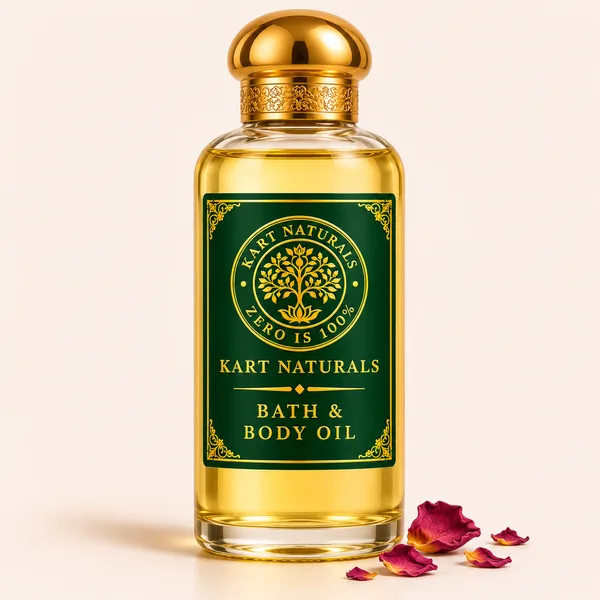
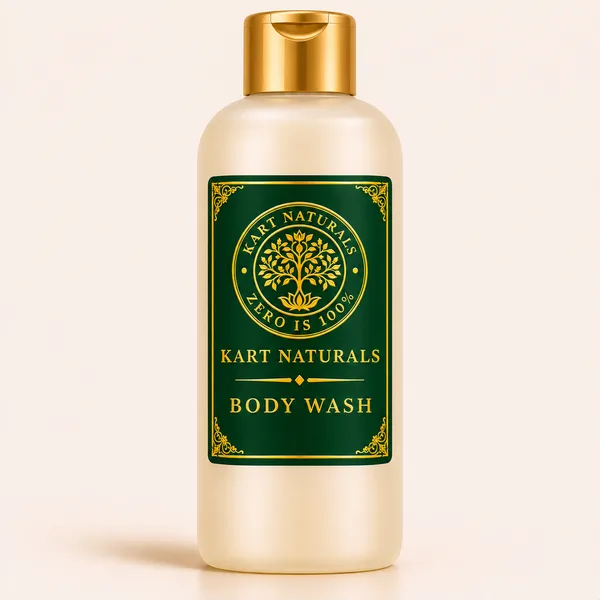
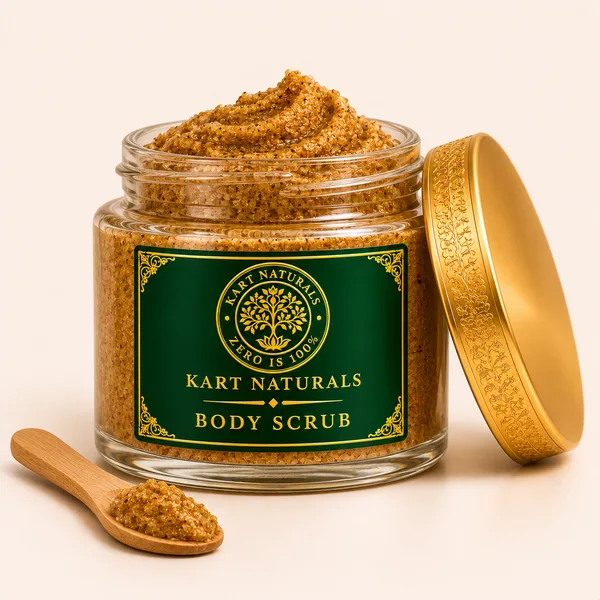
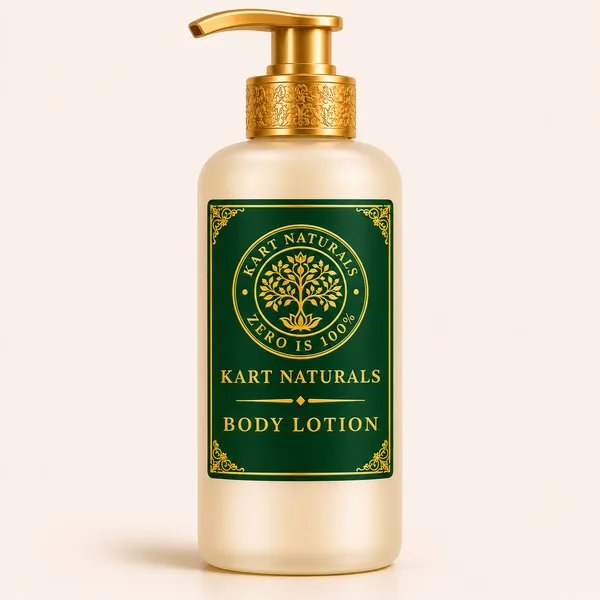
Rendezvous Bath & Body Oil, Shower of Nature Body Wash, Glowing Body Scrub Lepa and Hand & Body Lotion cover each step.
This guide is general information drawn from Ayurvedic tradition, not medical advice.
Questions
Why oil before the bath, not after?
In the Ayurvedic sequence, oil is massaged in, given time to soak, and the bath removes the excess. Many people still like a light lotion afterwards in dry weather.
Should I wash my hair with hot water?
Ayurveda advises against very hot water on the head, and dermatologists warn that hot water dries skin and scalp.
Is a daily bath always necessary?
In hot, humid Indian weather, daily bathing helps prevent skin infections. In cold, dry weather, keep baths short and warm.
Sources
This guide is general information about traditional and natural care. It is not medical advice. For a skin, scalp or health condition, speak to a dermatologist or qualified practitioner.