Amla: the Indian gooseberry in hair and skin care
What amla is, why Ayurveda prizes it, what reviews say about its antioxidant content and how it is used in hair care.
2 min read · Updated 2026-11-14
Amalaki in Ayurveda
Amla, known in Sanskrit as amalaki, is one of the most respected fruits in Ayurveda. It is one of the three fruits in triphala and the base of chyawanprash. Classical texts value it as a rasayana, a rejuvenating food, and it has long been used in hair oils and herbal hair washes across India.
What is in the fruit
A 2022 review in Antioxidants describes amla as rich in vitamin C, tannins such as emblicanin, gallic and ellagic acid, and flavonoids. These compounds give the fruit its sour, astringent taste and its high antioxidant activity in laboratory tests.
Amla in hair care
Amla is used three ways at home and in products:
- Infused oil: dried amla warmed in coconut or sesame oil. Hair oiling in general helps lubricate the hair shaft and reduce breakage when combing, according to a 2015 review of hair cosmetics. That review covers oils in general, not amla specifically.
- Powder: mixed with water or other herbal powders as a pre-wash pack.
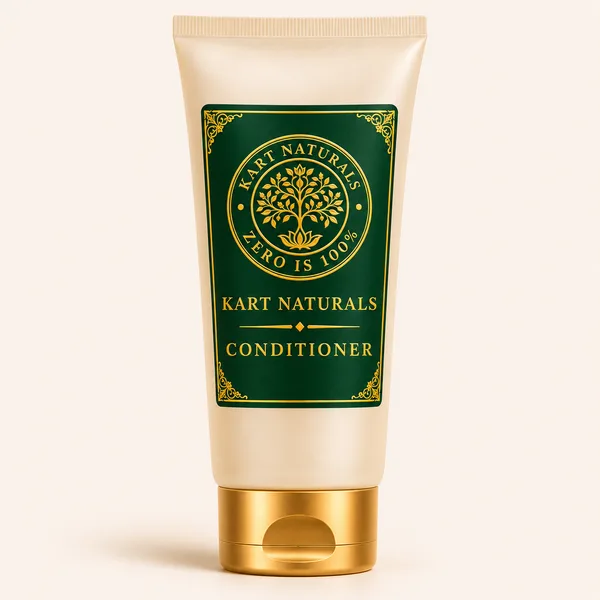
- In conditioners: as an extract alongside conditioning agents. Kart Naturals' Nourish Conditioner includes amla.
What we can and cannot say
Amla's antioxidant chemistry is well documented. Claims that it reverses greying or cures hair loss go beyond the evidence. We describe amla as a traditional, conditioning ingredient.
Using it well
Patch test any new product. Rinse amla packs out thoroughly, and if you colour your hair very light, test a strand first.
This guide is general information, not medical advice. See a dermatologist for hair loss or scalp conditions.
Questions
Is amla the same as Indian gooseberry?
Yes. Amla, amalaki and Indian gooseberry all name the fruit of Phyllanthus emblica, also listed as Emblica officinalis.
Does amla make hair grow?
Amla is traditionally used for hair, and it is antioxidant rich, but good human trials on hair growth are scarce. Treat it as a conditioning ingredient, not a treatment for hair loss.
Can amla irritate skin?
Some people react to plant ingredients. Patch test first, and note that amla powder can slightly tint very light or bleached hair.
Sources
This guide is general information about traditional and natural care. It is not medical advice. For a skin, scalp or health condition, speak to a dermatologist or qualified practitioner.