Brahmi in hair care: tradition, chemistry and honest evidence
Why brahmi appears in Ayurvedic hair oils and herbal hair colour, what is known about Bacopa monnieri and where the evidence stops.
1 min read · Updated 2026-11-14
A herb named for Brahma
Brahmi takes its name from Brahma, the creator in Hindu tradition, and in Ayurveda it is a medhya rasayana, a herb for the mind. It grows in wet, marshy ground across India and has small fleshy leaves and pale flowers.
Why it is in hair oils
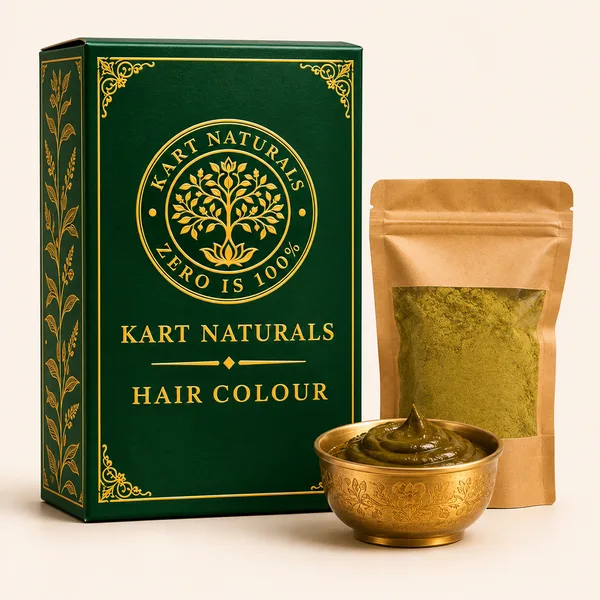
Brahmi has long been infused into cooling hair oils, often with amla, bhringraj and hibiscus. Head massage with such oils is part of the daily routine described in Ayurvedic texts. Kart Naturals uses brahmi in Nourishing Secrets Hair Oil and in its Natural Hair Colour Kits.
What research shows
Reviews of hair-growth plants list brahmi among herbs studied in herbal oil formulations, usually in rodents and always alongside other herbs. These studies are a starting point, not proof for people. The general benefit of oiling, which helps hair glide during combing and reduces breakage, is better established, according to a 2015 review of hair cosmetics.
What we say, and what we do not
We describe brahmi as a traditional conditioning herb. We do not claim it treats hair loss. For thinning hair, see a dermatologist, who can find the cause.
This guide is general information, not medical advice.
Questions
Is brahmi the same as gotu kola?
No, though both are sometimes called brahmi in India. This guide covers Bacopa monnieri. Gotu kola is Centella asiatica.
Does brahmi oil grow hair?
Animal studies of herbal oils that contain brahmi show growth activity, but those oils mix several herbs and no strong human trial tests brahmi on its own.
How is brahmi used on hair?
Usually infused into coconut or sesame oil for a pre-wash massage, or blended into herbal hair powders and colour kits.
Sources
This guide is general information about traditional and natural care. It is not medical advice. For a skin, scalp or health condition, speak to a dermatologist or qualified practitioner.