Manjistha: Indian madder in Ayurvedic skin care
The red root behind many Ayurvedic lepas and oils: its history as a dye, its chemistry, what reviews report and how it is used.
1 min read · Updated 2026-11-14
The red root
Manjistha is the Ayurvedic name for Rubia cordifolia, known in English as Indian madder. Its roots are deep red, and for centuries they were used to dye cloth. Markets still sell the dried roots as manjith.
Use in Ayurveda
A 2022 review in Frontiers in Pharmacology notes that in Ayurveda manjistha has been used to colour medicinal oils and applied externally to inflamed skin and wounds. Traditional pastes of the root with honey were applied to skin with uneven patches. Classical texts list it among varnya herbs, those said to support the skin's colour and lustre.
What is in it
More than 100 compounds have been reported, including anthraquinones (such as purpurin and munjistin), peptides, terpenes and flavonoids. Quinones and peptides make up the largest share.
What research shows
Laboratory and animal studies report antioxidant and anti-inflammatory effects. The same review is clear that the mechanisms have not been studied thoroughly and that clinical safety data are lacking. That is why we treat manjistha as a traditional cosmetic botanical and make no treatment claims.
Where you will find it
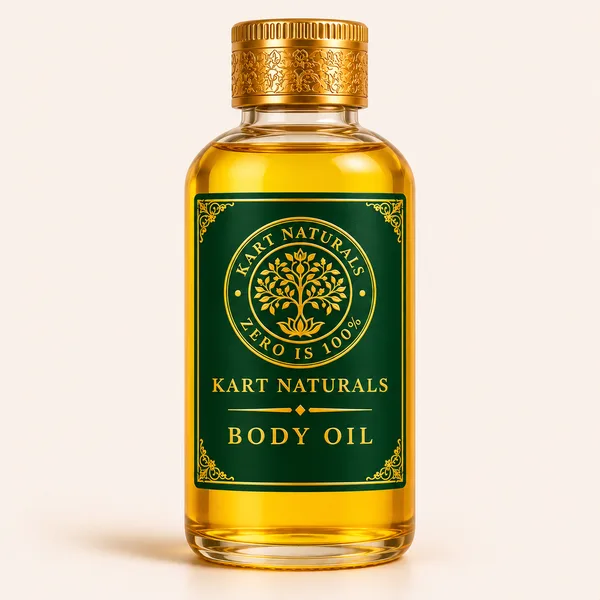
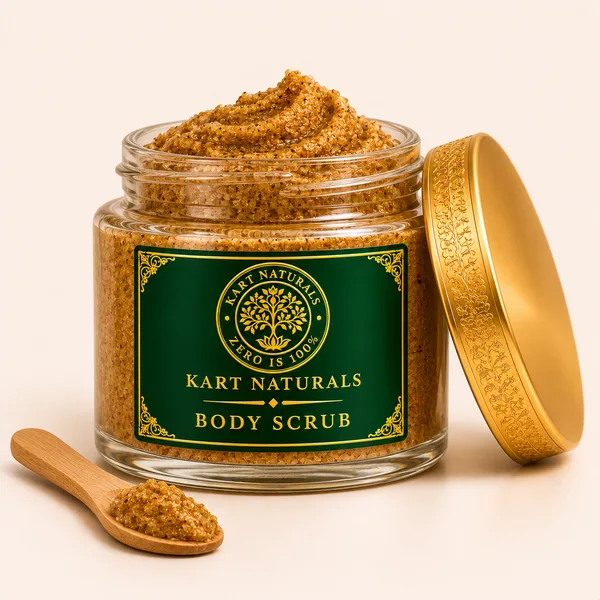
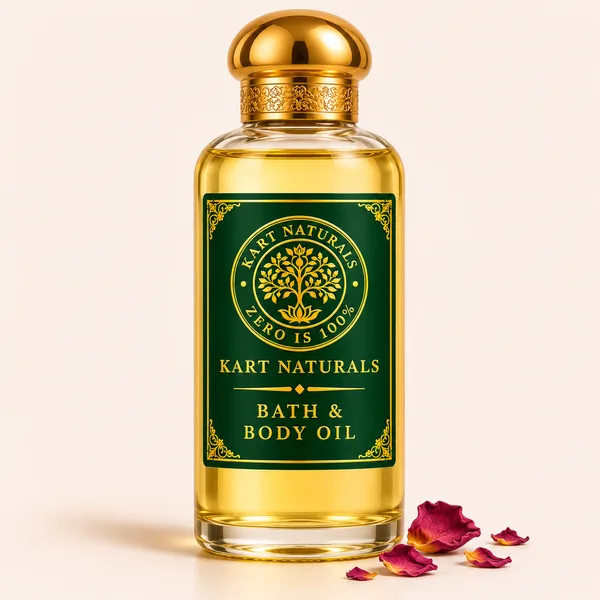
Manjistha appears in Kart Naturals body lepas and scrubs alongside other Ayurvedic herbs.
This guide is general information, not medical advice.
Questions
Why are manjistha products reddish?
The root contains anthraquinone pigments such as purpurin, which made madder a classic red dye.
Is manjistha a varnya herb?
Yes. Ayurvedic texts group it with herbs said to support skin colour, texture and lustre. We read that as a complexion-care tradition, not as lightening.
Is manjistha safe on skin?
It has a long history of topical use, but a 2022 review notes that toxicity and clinical safety data are limited. Patch test first.
Sources
This guide is general information about traditional and natural care. It is not medical advice. For a skin, scalp or health condition, speak to a dermatologist or qualified practitioner.