Nagarmotha: the fragrant root of Ayurvedic ubtans
Nagarmotha (Cyperus rotundus) in ubtans and attars, what pharmacology reviews report and how it is used in skin care.
1 min read · Updated 2026-11-14
Musta in Ayurveda
Musta or nagarmotha is the knobbly, fragrant rhizome of Cyperus rotundus. A 2018 review calls it one of the best Ayurvedic herbs and notes its place in well-known formulas such as chyawanprash. It has also long been ground into ubtans and blended into attars.
Chemistry
A 2023 review collated 552 compounds identified in the plant, especially sesquiterpenes in its essential oil, along with flavonoids and phenolics. The oil carries the earthy fragrance.
What research shows
Laboratory and animal studies report antioxidant, anti-inflammatory and antimicrobial activity, and the 2023 review describes toxicology work that supports the herb's safety. Human cosmetic trials are scarce, so we treat nagarmotha as a fragrant traditional ubtan ingredient.
In Kart Naturals
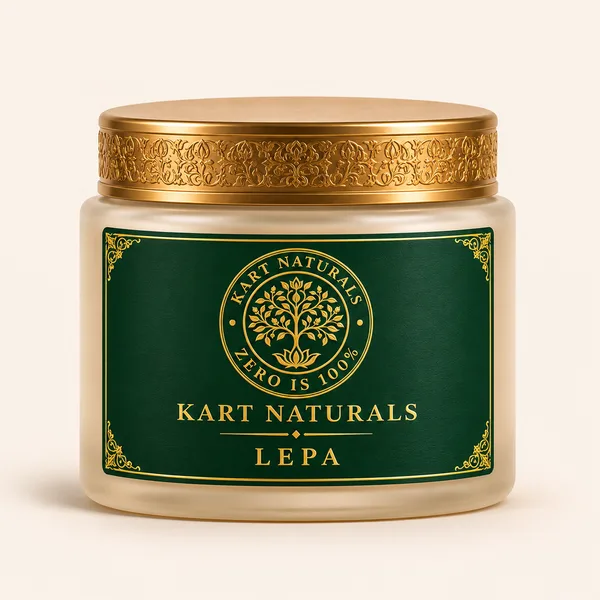
Nagarmotha is a key ingredient of the Anti-Wrinkle Firming Lepa, a powder ubtan mixed with water, milk or rose water before use. Like any ubtan, it cleanses and gently exfoliates; we make no anti-ageing claims for the herb itself.
This guide is general information, not medical advice.
Questions
Is nagarmotha a weed?
The same plant, nutgrass, is a hardy weed in many countries. Its small tubers are the fragrant part used in Ayurveda and perfumery.
What does nagarmotha smell like?
Earthy, woody and slightly spicy, a little like vetiver. It is used in Indian incense and attars.
Is it safe on skin?
Reviews describe a good safety record for traditional use, but patch test any new product.
Sources
This guide is general information about traditional and natural care. It is not medical advice. For a skin, scalp or health condition, speak to a dermatologist or qualified practitioner.