Methi: fenugreek seeds in hair care
Fenugreek's place in Indian kitchens and hair masks, what the one human trial measured and how to use methi on hair.
1 min read · Updated 2026-11-14
From the spice box
Every Indian kitchen holds methi. The same seeds, soaked overnight and ground, make a slippery paste that generations of women have applied to hair before washing.
Why it conditions
Fenugreek seeds contain a soluble fibre that swells into mucilage. Applied to hair, it coats and smooths strands, helping detangling. They also contain protein, saponins and flavonoids.
What the trial actually tested
The most-quoted study is a 2006 randomised, double-blind, placebo-controlled trial of 56 adults with hereditary hair loss. They took capsules of fenugreek extract with micronutrients for six months. Self-reported hair growth improved significantly against placebo. It was an oral supplement, the effect cannot be separated from the vitamins, and placebo responses were strong. It says nothing direct about methi hair oil.
Methi in Kart Naturals
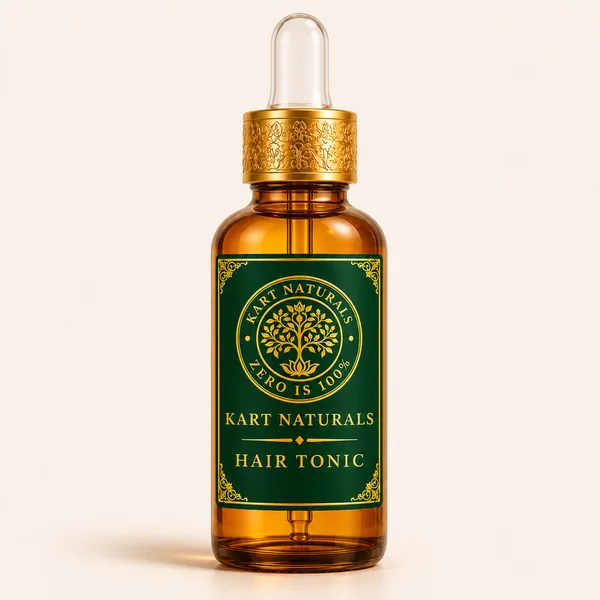
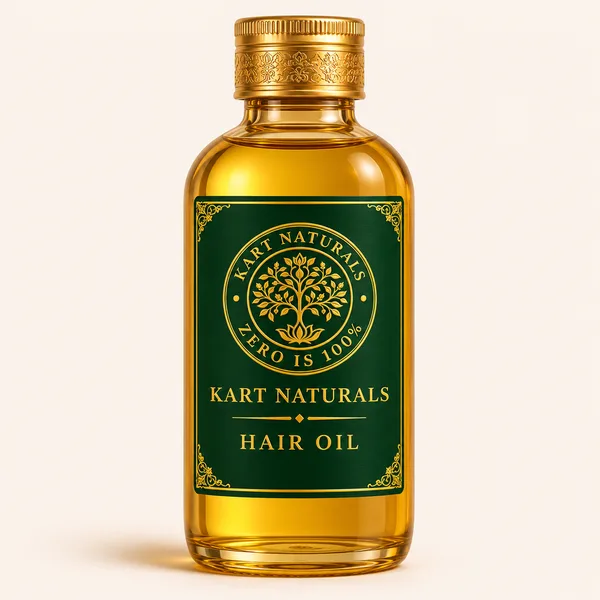
Fenugreek is in the Repair & Regrowth Hair Tonic and the Caring & Strengthening Hair Oil, alongside other herbs.
A home methi mask
Soak two tablespoons of seeds overnight, grind with a little curd or aloe gel, apply for 20 to 30 minutes and wash well.
This guide is general information, not medical advice. For hair loss, see a dermatologist.
Questions
Why does soaked methi get slimy?
The seed coat is rich in soluble fibre (galactomannan mucilage), which swells in water. That slip is what conditions hair.
Was the 2006 study about hair oil?
No. Volunteers took capsules of fenugreek extract with vitamins and minerals by mouth. It does not test methi applied to hair.
Does methi smell?
Yes, it has a strong maple-like smell that can linger. Rinse well.
Sources
This guide is general information about traditional and natural care. It is not medical advice. For a skin, scalp or health condition, speak to a dermatologist or qualified practitioner.