Shikakai: the fruit for hair and India's original shampoo
How shikakai pods cleanse hair with natural saponins, how they compare with reetha, and how they fit into herbal hair colour routines.
1 min read · Updated 2026-11-14
Fruit for hair
Shikakai means fruit for hair. The plant is a prickly climbing shrub of central and southern India, and its dried pods were boiled or powdered to wash hair long before bottled shampoo.
How it cleans
The pods contain saponins, plant compounds that foam in water and lift oil and dirt. In one formulation study, a shikakai-based shampoo showed the highest detergency of the herbal blends tested, which the authors linked to its saponin content.
Shikakai with reetha and amla
The classic Indian hair wash combines three powders: reetha (soapnut) for lather, shikakai for gentle cleansing and amla for conditioning. Many grandmothers still soak the three overnight and boil them into a wash.
In herbal hair colour
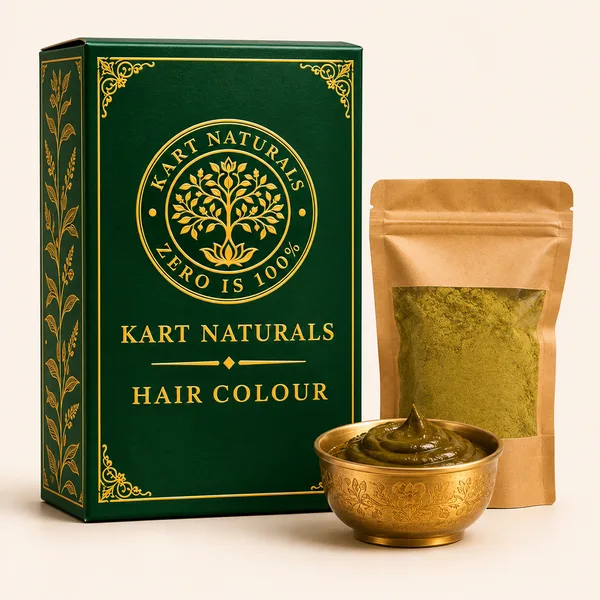
Clean hair takes plant colour more evenly. Kart Naturals includes shikakai in its Natural Hair Colour Kits alongside henna, indigo and other herbs.
Using it well
Keep shikakai away from the eyes; saponins sting. If your hair feels dry afterwards, follow with oil or conditioner.
This guide is general information, not medical advice.
Questions
What is the difference between shikakai and reetha?
Both are saponin-rich. Reetha is the soapnut (Sapindus), which foams more. Shikakai is milder and traditionally valued for leaving hair soft.
Does shikakai strip hair?
It cleanses more gently than many synthetic detergents, but it can still dry very porous hair. Follow with oil or conditioner if needed.
Why is shikakai in hair colour kits?
It cleanses the hair so plant colour can take evenly, and it is a traditional companion to henna.
Sources
This guide is general information about traditional and natural care. It is not medical advice. For a skin, scalp or health condition, speak to a dermatologist or qualified practitioner.