Aromatherapy at home: scent, calm and what the evidence shows
How essential oils are used in Indian homes and spas, what systematic reviews say about lavender for anxiety and sleep, and safety rules for home use.
1 min read · Updated 2026-11-14
Scent in Indian homes
Long before the word aromatherapy, Indian homes used scent for calm and celebration: attars of rose and khus, sandalwood paste, jasmine in the hair, incense at prayer. Spas now pair these with essential oils from around the world.
What reviews show
- Lavender for anxiety: a 2023 systematic review found that 10 of 11 trials (972 participants) reported lower anxiety after inhaling lavender oil.
- Sleep: a 2021 meta-analysis concluded that aromatherapy improved sleep quality in adults and older people, though many studies were small.
These findings are encouraging, but aromatherapy is a complement to good sleep habits and medical care, not a treatment for anxiety disorders or insomnia.
Safe home use
- Dilute: a few drops in a carrier oil or a ready-made product.
- Inhale gently: a drop on a tissue or in a diffuser.
- Keep away from eyes and broken skin.
- Store safely: tightly capped, away from heat, light and children.
- Patch test before massaging an oil into skin.
A calm evening ritual
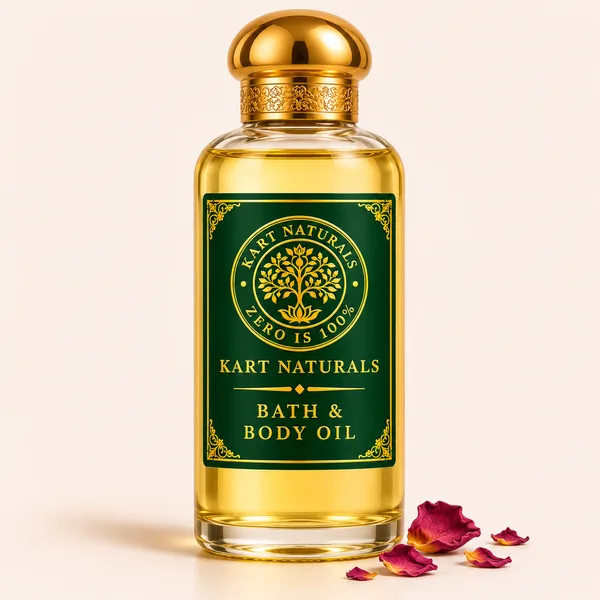
Dim the lights, add a little Rendezvous Bath & Body Oil to warm bath water, breathe slowly for ten minutes and go to bed without screens.
This guide is general information, not medical advice.
Questions
Does lavender help sleep?
Reviews suggest it may improve sleep quality, but the evidence is limited. It works best as part of a calm bedtime routine.
Can I put essential oils directly on skin?
Most should be diluted in a carrier oil or used in finished products. Neat oils can irritate or sensitise skin.
Are essential oils safe around children and pets?
Use extra caution. Keep bottles out of reach and ask your doctor or vet before using strong oils around young children or pets.
Sources
This guide is general information about traditional and natural care. It is not medical advice. For a skin, scalp or health condition, speak to a dermatologist or qualified practitioner.