Lavender oil: calm scent, and why freshness matters
Lavender's place in relaxing bath and hair products, what makes it smell the way it does, and why oxidised lavender oil can cause skin allergy.
1 min read · Updated 2026-11-14
A scent for winding down
Lavender is the classic scent of an evening bath. Its soft floral note comes mainly from two compounds: linalool and linalyl acetate.
The oxidation problem
Both compounds react with oxygen in the air. Over weeks of exposure they form hydroperoxides, which are much stronger skin sensitisers than the fresh oil. Swedish researchers showed in 2008 that oxidation sharply increased the sensitising potency of linalyl acetate.
In a 2016 study, patients with suspected contact allergy were patch tested with oxidised lavender oil, and 2.8 per cent reacted, among the highest rates for the essential oils studied. Standard fragrance tests missed many of these cases.
Enjoying lavender safely
- Choose products where lavender is diluted, not neat oil on skin.
- Keep bottles tightly capped, away from sun and heat.
- Do not keep opened lavender products for years.
- Patch test, and stop if you notice itching or redness.
In Kart Naturals
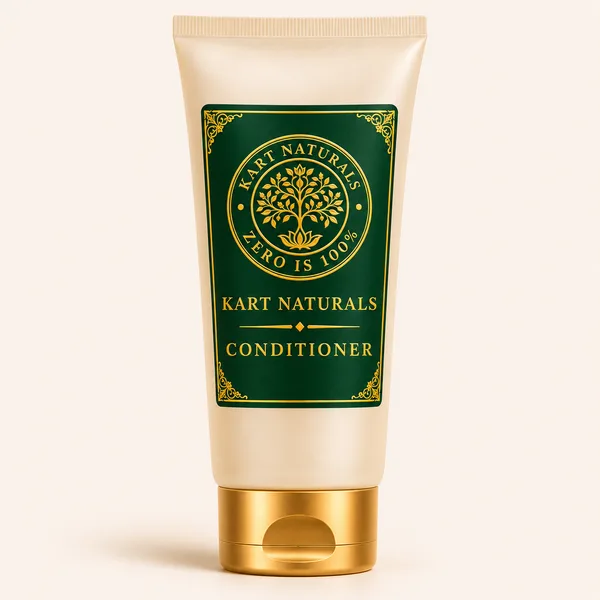
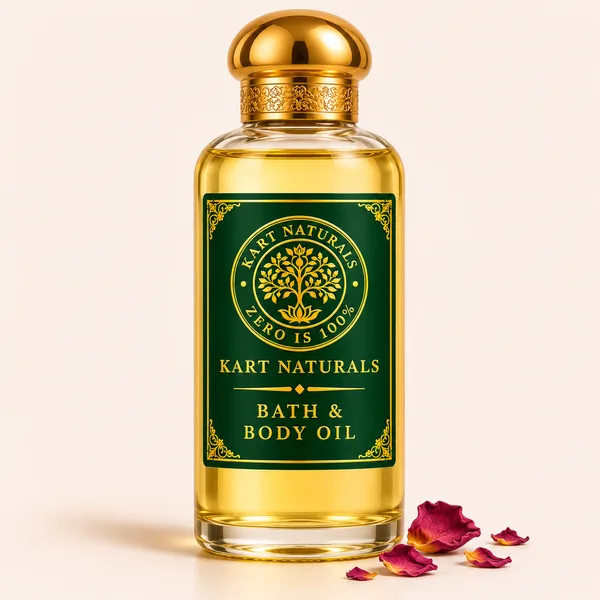
Lavender appears in a Nourish Conditioner variant and in Rendezvous Bath & Body Oil.
This guide is general information, not medical advice.
Questions
Is lavender oil hypoallergenic?
No. It is one of the essential oils more often linked to contact allergy, especially once it has oxidised.
How do I keep lavender products fresh?
Keep caps closed, store away from heat and light and use products within their shelf life.
Can I apply lavender oil neat?
It is safer diluted in a carrier oil or a finished product. Patch test first.
Sources
- Hagvall L, Bråred Christensson J. Patch testing with main sensitizers does not detect all cases of contact allergy to oxidized lavender oil. Acta Derm Venereol 2016;96(5):679-683
- Sköld M, Hagvall L, Karlberg AT. Autoxidation of linalyl acetate, the main component of lavender oil, creates potent contact allergens. Contact Dermatitis 2008;58(1):9-14
This guide is general information about traditional and natural care. It is not medical advice. For a skin, scalp or health condition, speak to a dermatologist or qualified practitioner.