Rose water: from distillery to dressing table
How true rose water is made, what is in it, what research shows and how to use it in a home ritual.
2 min read · Updated 2026-11-14

Gulab jal
Rose water, gulab jal, has scented Indian homes, kitchens and temples for centuries. It is splashed on faces in summer, stirred into sweets and sprinkled at celebrations. In skin care it is the classic liquid for mixing face packs.
How it is made
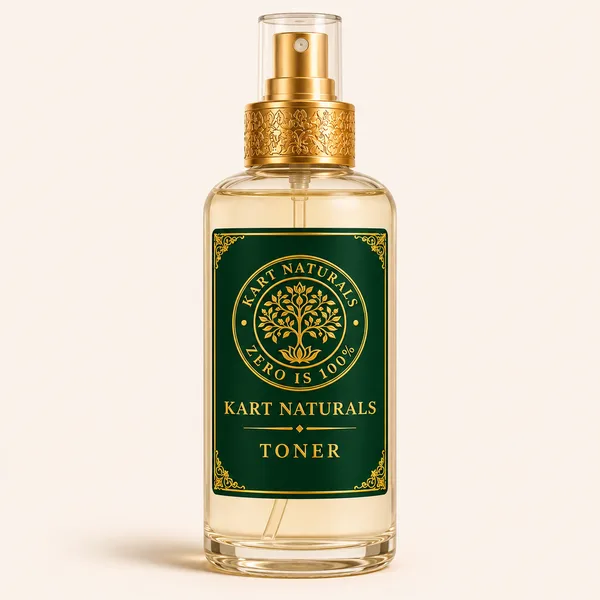
True rose water is a hydrosol: the fragrant water left behind when rose petals are steam-distilled to make rose essential oil. The essential oil floats off; the water keeps a soft scent and traces of the plant's water-soluble compounds. Kart Naturals' Pure Desi Rose Toner is steam-distilled in this traditional way.
What is in a rose
Reviews of Rosa damascena list terpenes, glycosides, flavonoids and fragrant compounds such as citronellol, geraniol and nerol. A 2020 review identifies geraniol and citronellol as the main active ingredients of the essential oil.
What research shows
Pharmacological reviews report antioxidant, antimicrobial, anti-inflammatory and relaxing effects for Damask rose, and a 2019 cosmetology review lists traditional uses including a petal paste for clear skin. Most of these findings relate to extracts or the essential oil. Rose water contains only small traces of those compounds, so it is fairest to treat it as a gentle, pleasant toner rather than a treatment.
Rose water in a home spa
- Toner: spray or splash after cleansing, before moisturiser.
- Face pack liquid: mix lepas and ubtans with rose water instead of plain water.
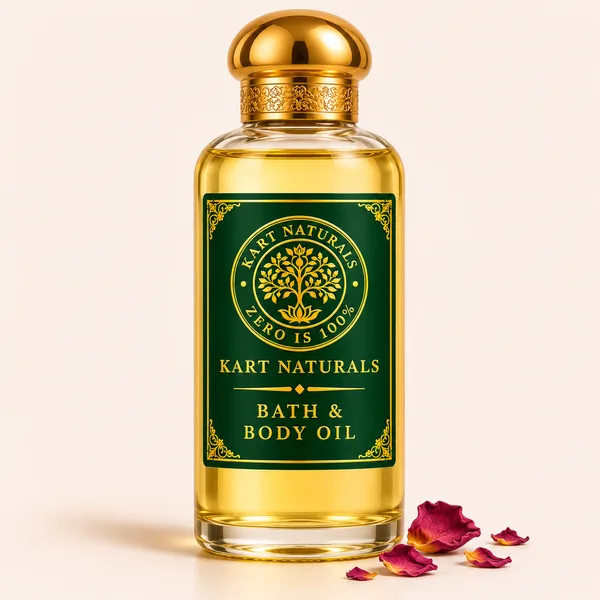
- Bath: add a cup to warm bath water with a few drops of body oil.
- Cooling mist: keep a bottle in the fridge for hot afternoons.
Buying well
Look for rose water described as steam-distilled from rose petals, without added fragrance. If you have very sensitive skin, patch test first: even natural fragrance compounds can irritate some people.
Questions
What is the difference between rose water and rose-scented water?
True rose water is a hydrosol made by steam-distilling rose petals. Rose-scented waters are often water with added fragrance and alcohol.
Which rose is used?
Mostly Rosa damascena, the Damask rose, valued for its strong fragrance.
How do I use rose water?
Splash or spray it on after cleansing, mix it into face packs instead of plain water, or add a little to a warm bath.
Sources
- Boskabady MH et al. Pharmacological effects of Rosa damascena. Iran J Basic Med Sci 2011;14(4):295-307
- Chemical constituents, experimental and clinical pharmacology of Rosa damascena: a literature review. J Pharm Pharmacol 2020;72(2):161-174
- Rosa damascena Mill. (rose): a versatile herb in cosmetology. TANG 2019;9(4):e2
This guide is general information about traditional and natural care. It is not medical advice. For a skin, scalp or health condition, speak to a dermatologist or qualified practitioner.