Cocoa butter: a rich body butter, and an honest look at stretch marks
What cocoa butter is, why it melts at skin temperature, why it is a good moisturiser and what two trials found about stretch marks.
1 min read · Updated 2026-11-14
From bean to butter
Cocoa butter is pressed from roasted cacao beans, the same beans that make chocolate. It is solid at room temperature and melts close to body temperature, so it softens the moment it touches skin.
Why it moisturises
Cocoa butter is made mostly of saturated and monounsaturated fats. On the skin it forms a soft protective layer that slows water loss. That makes it useful for dry elbows, knees, hands and feet.
The stretch-mark question
Cocoa butter is famous as a stretch-mark cream, so we looked at the trials. A 2008 trial in Lebanon randomised first-time mothers to cocoa butter lotion or placebo and found no reduction in stretch marks. A 2010 trial in Jamaica of 300 women reached the same conclusion. Stretch marks depend mainly on genetics and how quickly skin stretches.
In Kart Naturals
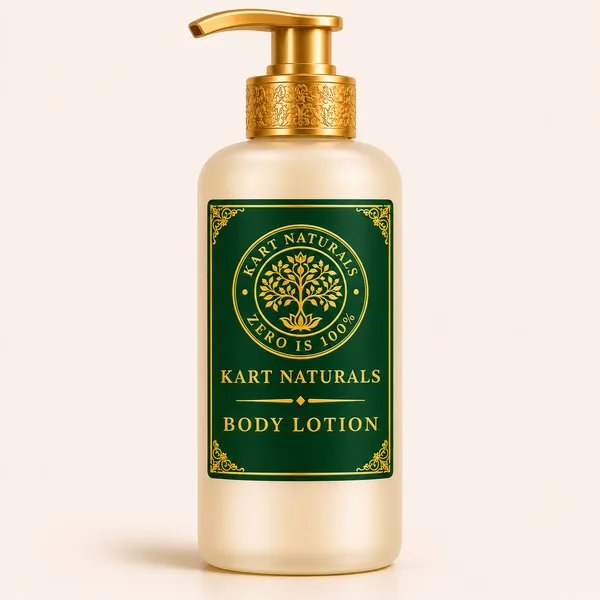
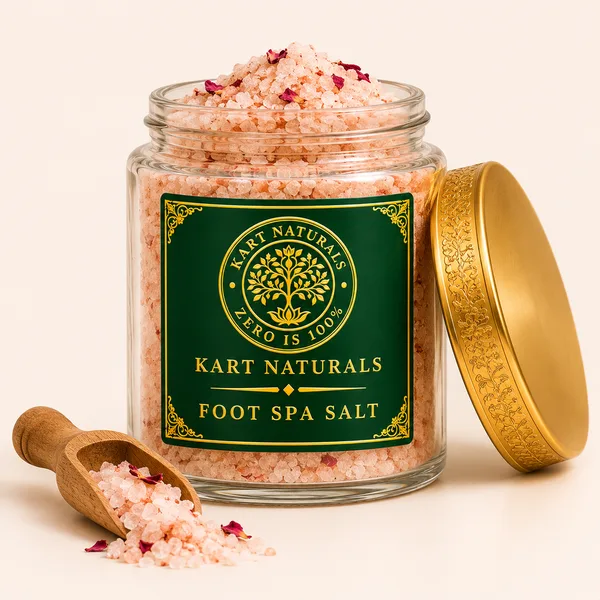
Cocoa butter is in Pamper & Ethereal Evening Lotion, Hand & Body Lotion and Tender Foot Spa Salt.
This guide is general information, not medical advice.
Questions
Does cocoa butter prevent stretch marks?
No good evidence says so. Two double-blind randomised trials found no significant difference between cocoa butter and placebo.
Will cocoa butter clog pores?
It is rich and can trouble acne-prone facial skin. It is better suited to the body, hands and feet.
Why does cocoa butter smell of chocolate?
Unrefined cocoa butter keeps the aroma of the bean. Refined versions are almost scentless.
Sources
This guide is general information about traditional and natural care. It is not medical advice. For a skin, scalp or health condition, speak to a dermatologist or qualified practitioner.