Men's skin care: a simple routine and a better shave
A no-fuss daily skin routine for men, dermatologist shaving tips to avoid razor bumps and where natural products fit.
1 min read · Updated 2026-11-14
Keep it simple
A good routine does not need ten steps. The American Academy of Dermatology suggests men:
- Know your skin type: oily, dry, combination, sensitive or normal.
- Wash daily and after exercise with a gentle face wash.
- Watch your shaving technique.
- Moisturise daily, ideally right after bathing or shaving.
- Check your skin for new or changing spots.
- Wear sunscreen whenever you are outdoors.
A better shave
- Wet your skin and hair first, ideally after a warm shower, to soften the beard.
- Apply a shaving cream or gel.
- Shave in the direction the hair grows.
- Rinse the blade after each swipe and replace blades regularly.
- If you get irritation or bumps, try a single- or two-blade razor, and do not stretch your skin tight.
- Finish with a gentle moisturiser.
For oily and acne-prone skin
Neem and tea tree face washes suit oily skin. Shave carefully around active spots, because shaving can irritate acne.
In Kart Naturals
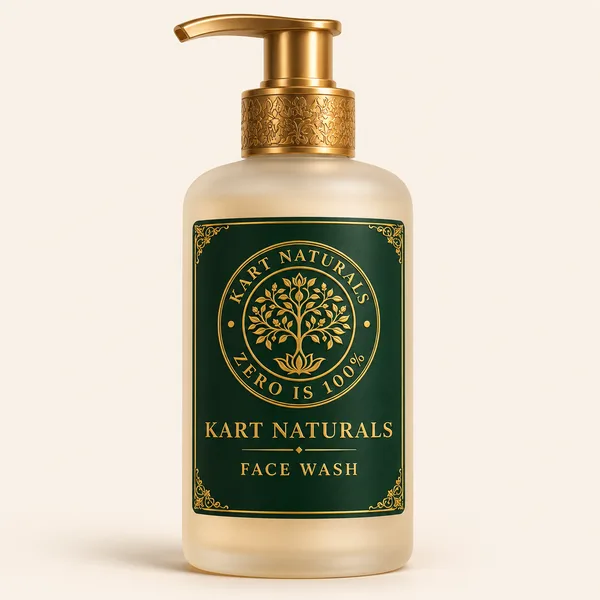
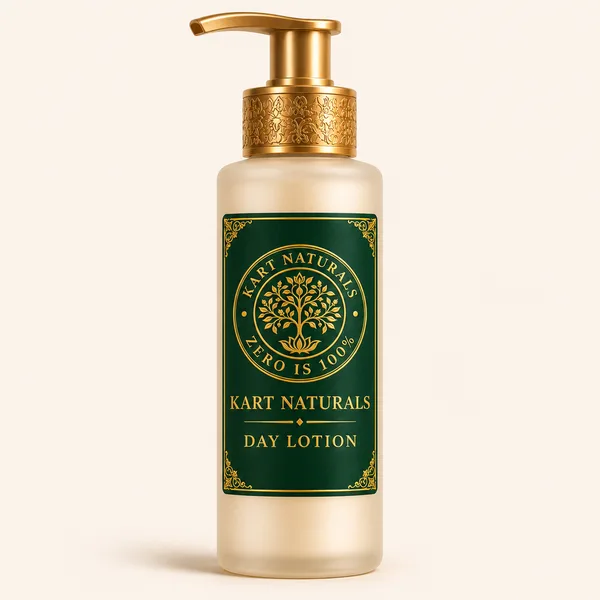
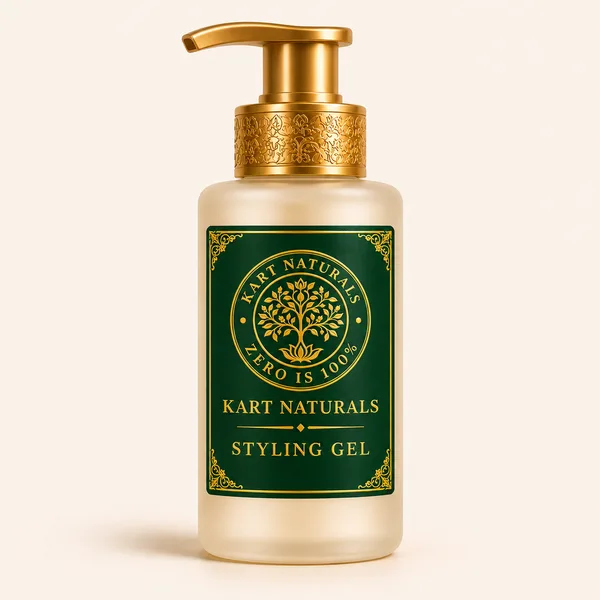
Clear Skin Face Wash, Day Protection Lotion and Natural Styling Gel cover the basics.
This guide is general information, not medical advice.
Questions
Do men need moisturiser?
Yes. Shaving and washing remove oils, so a light moisturiser after shaving helps skin recover.
How do I stop razor bumps?
Shave after a warm shower, use a shaving cream, shave in the direction of hair growth, use a sharp blade and do not stretch the skin taut. A single- or two-blade razor can help.
Is a face wash better than soap?
Most bar soaps are more drying. A gentle face wash suits facial skin better.
Sources
This guide is general information about traditional and natural care. It is not medical advice. For a skin, scalp or health condition, speak to a dermatologist or qualified practitioner.