Neem in body care: an old shield with modern questions
Why neem is everywhere in Indian skin and hair care, what laboratory research shows, and where human trials are lacking.
2 min read · Updated 2026-11-14
The village pharmacy
Neem (Azadirachta indica), also called margosa or Indian lilac, grows across India. Dermatologists writing in the Indian Journal of Dermatology describe it as a traditional panacea used for thousands of years against pests and against skin infections and infestations. Bathing in water steeped with neem leaves, chewing neem twigs and using neem oil remain everyday habits.
Neem also has a place in legal history: a foreign patent on neem's antifungal properties sparked India's landmark biopiracy challenge.
What is in it
The tree yields more than 300 structurally diverse compounds, according to one review, with limonoids such as azadirachtin among the best known. Different parts, including leaves, bark, seeds, flowers and fruit, are used for different purposes.
What laboratory research shows
Reviews published in 2021 and 2022 summarise many studies showing neem has antimicrobial, anti-inflammatory, antioxidant and antiseptic activity, which fits its traditional uses for blemishes, dandruff and minor skin complaints.
The gap: human trials
The same dermatology review is candid: while many traditional uses agree with laboratory or animal studies, the scarcity of human trials has obscured neem's role in modern medicine. That is the honest position today. Neem is plausible and long-trusted, but not clinically proven for most skin conditions.
A note on safety
A 2024 case report in Cutis described a man who developed patches of lighter skin after months of applying neem oil for back pain. Reactions like this are uncommon, but they are a reminder that natural ingredients are active ingredients. Use neem in formulated products or well diluted, patch test first, and stop if your skin reacts.
Neem in Kart Naturals
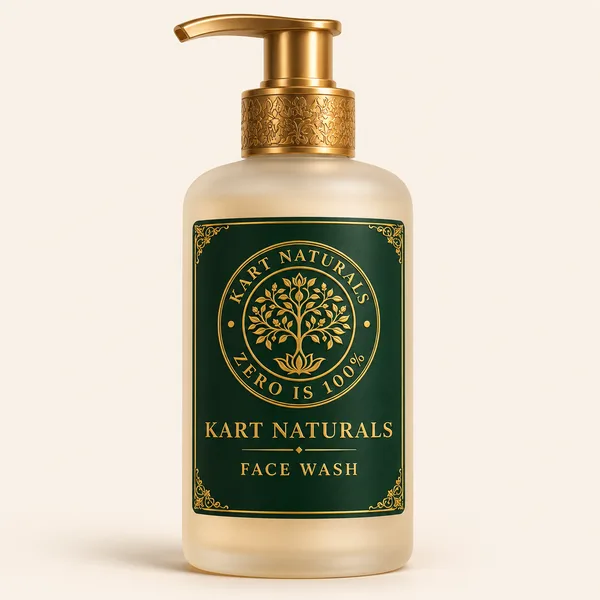
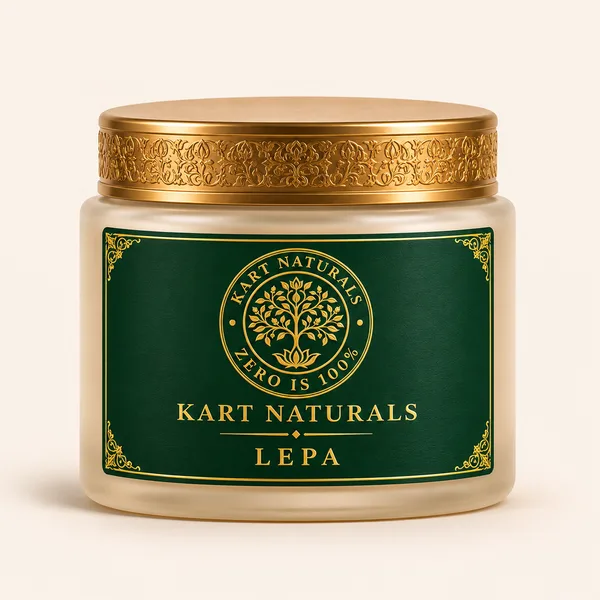
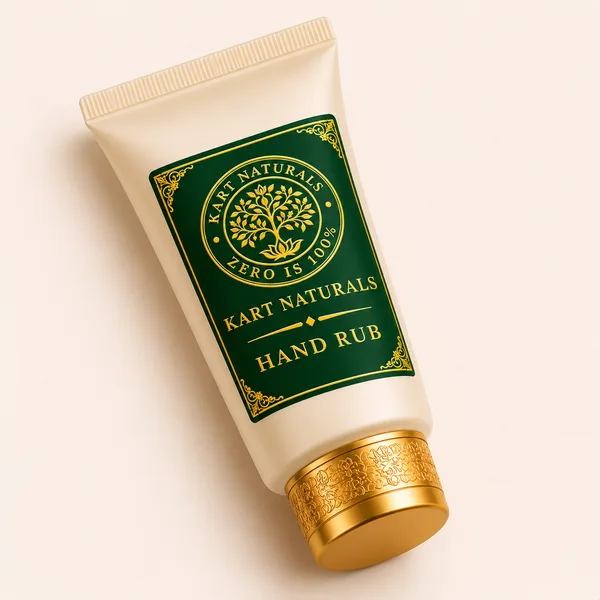
Neem appears in the Clear Skin face washes, the Clear Skin Lepa and the Vedic Hand Rub, alongside tea tree, turmeric and lime, as part of a traditional cleansing blend rather than as a medical treatment.
Questions
Is margosa the same as neem?
Yes. Margosa and Indian lilac are older English names for neem.
What does the research show?
Laboratory studies show antibacterial, antifungal, anti-inflammatory and antioxidant activity. Human clinical trials are scarce.
Can neem oil irritate skin?
It can. A 2024 case report described skin lightening after months of neat neem oil use. Use diluted, patch test, and stop if skin reacts.
Sources
- Gopinath H, Karthikeyan K. Neem in dermatology: shedding light on the traditional panacea. Indian J Dermatol 2021;66(6):706
- Baby AR et al. Azadirachta indica (neem) as a potential natural active for dermocosmetic and topical products: a narrative review. Cosmetics 2022;9(3):58
- An insight into the dermatological applications of neem: a review on traditional and modern aspect. Recent Adv Antiinfect Drug Discov 2021;16(2):94-121
- Patel N, Knabel M, Speiser J. Botanical briefs: neem oil (Azadirachta indica). Cutis 2024;113:22-24
This guide is general information about traditional and natural care. It is not medical advice. For a skin, scalp or health condition, speak to a dermatologist or qualified practitioner.