Winter dry skin: dermatologist habits and Ayurvedic oiling
Why skin gets dry and itchy in Indian winters, the bathing and moisturising habits dermatologists recommend, and where oil massage fits.
1 min read · Updated 2026-11-14
Why winter dries skin
Cold air holds little moisture, and in north India winter winds are dry. Indoors, heaters dry the air further. Skin loses water faster than it can replace it, leaving it tight, rough and itchy.
Dermatologist habits
- Bathe warm, not hot, and keep it short.
- Use a gentle cleanser and avoid harsh soaps on dry areas.
- Pat dry rather than rubbing.
- Moisturise immediately after bathing, within a few minutes, while skin is still slightly damp.
- Prefer creams and ointments over thin lotions for very dry skin.
- Use a humidifier if indoor air is very dry.
- Wear gloves outdoors in cold wind, and avoid scratchy wool against bare skin.
The Ayurvedic layer: abhyanga
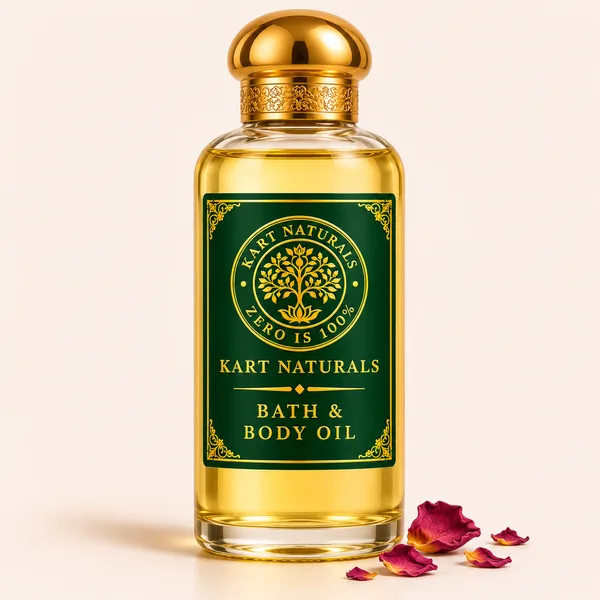
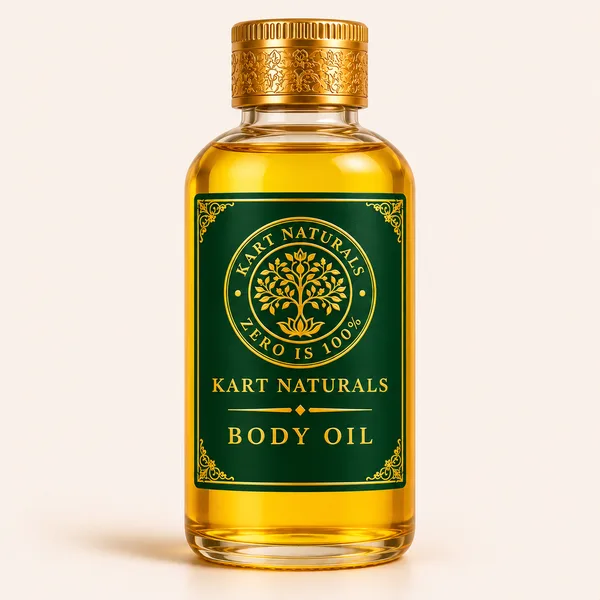
In Ayurveda, early winter (Hemanta) is the season for daily or weekly abhyanga, a warm oil massage before bathing. Warm a little body oil, massage it in, rest for 15 minutes, then bathe in warm water and pat dry. Follow with a lotion if your skin is very dry.
In Kart Naturals
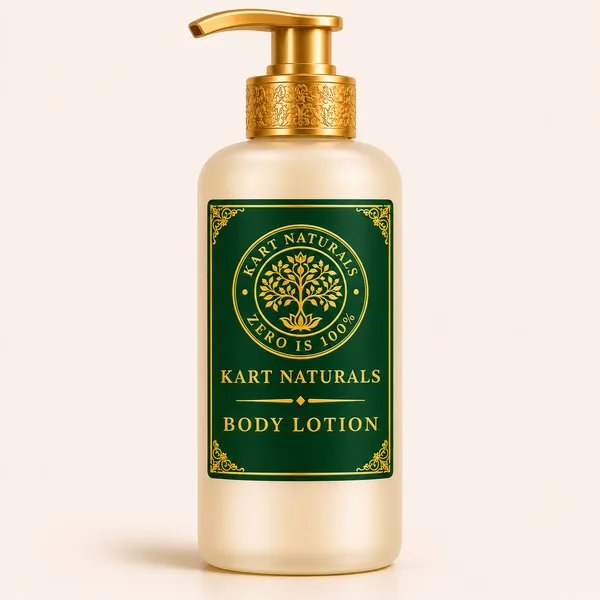
For winter, choose Hand & Body Lotion, Pamper & Ethereal Evening Lotion or Rendezvous Bath & Body Oil. Cocoa butter, almond and wheat germ oil help seal in moisture.
This guide is general information, not medical advice.
Questions
Is a hot bath bad for dry skin?
Very hot water removes the skin's natural oils. Warm water and shorter baths are kinder.
Cream or lotion for winter?
Thicker creams and ointments hold moisture better than thin lotions for very dry skin.
Does drinking more water fix dry skin?
Winter dryness is mostly caused by the environment, so it needs care from the outside.
When should I see a doctor?
If dryness cracks, bleeds, itches badly or does not improve, see a dermatologist; it may be eczema or another condition.
Sources
This guide is general information about traditional and natural care. It is not medical advice. For a skin, scalp or health condition, speak to a dermatologist or qualified practitioner.